
Choosing between PVC and embroidered patches affects more than just how your brand looks. It impacts durability, cost, production time, and how your message comes across in different environments.
Both patch types serve distinct purposes, and the right choice depends on where you’ll use them, what design details matter most, and how long you need them to last. Understanding the practical differences helps you make a confident decision without second-guessing later.
This guide walks you through the key distinctions between PVC vs embroidered patches, so you can select the option that aligns with your specific needs. The decision is more straightforward than it might seem at first.
Why Your Patch Choice Matters More Than You Think
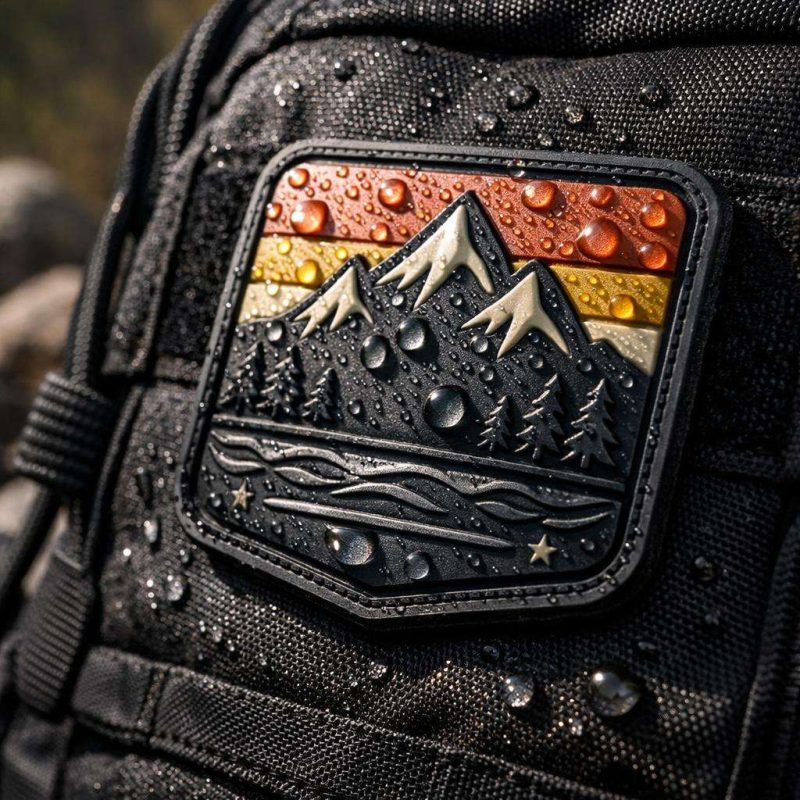
The material you choose for your patches directly affects how they perform in real-world conditions. PVC patches are made from flexible rubber material, while embroidered patches use thread stitched onto fabric backing. These fundamental differences create distinct advantages in different situations.
Durability varies significantly between the two. PVC patches resist water, UV rays, chemicals, and extreme temperatures without fading or deteriorating. They maintain their appearance even after years of outdoor exposure or repeated washing. Embroidered patches offer excellent durability for indoor use and regular wear, but they can fade over time when exposed to harsh conditions or frequent washing with strong detergents.
Design complexity plays a crucial role in your decision. PVC allows for fine details, small text, and intricate designs that remain crisp and legible. You can achieve precise color matching and include subtle gradients or layered effects. Embroidered patches work beautifully for bold designs with clear lines, but very small text or highly detailed imagery may lose clarity due to thread limitations.
The visual and tactile differences create different impressions. PVC patches have a modern, sleek appearance with a smooth, slightly raised surface. They project a technical or contemporary brand image. Embroidered patches offer a classic, textured look with visible stitching that conveys tradition, craftsmanship, and established authority.
Budget considerations extend beyond initial cost. PVC patches typically cost more per unit for small orders, but their longevity means you replace them less frequently. Embroidered patches often have lower upfront costs, especially for simpler designs, making them accessible for initial orders or event-specific applications.
Your attachment method matters too. Both patch types work with hook-and-loop backing, iron-on adhesive, or direct sewing. PVC patches attach securely with adhesive backing due to their weight and flexibility. Embroidered patches sew onto garments easily and lay flat against fabric naturally.
This isn’t about one option being universally better. It’s about matching the right material to your specific application, environment, and brand positioning.
Understanding Your Options: PVC vs Embroidered Patches
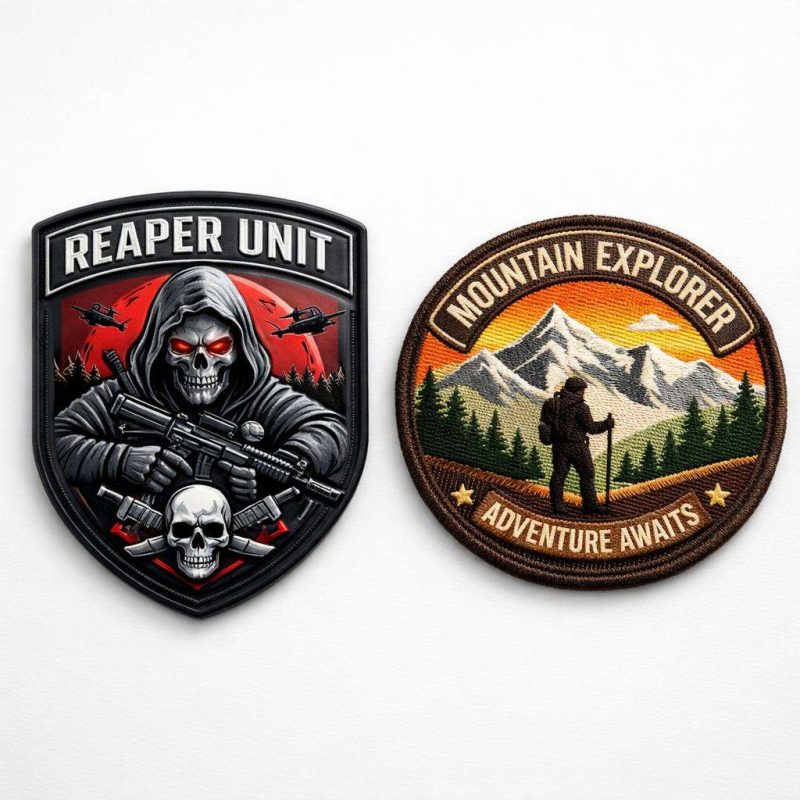
Let’s break down how each patch type works and when it makes the most sense for your needs. This comparison helps you identify which characteristics align with your priorities.
PVC Patches: When to Choose Them
PVC patches excel in demanding environments. They’re created by molding soft rubber material into your design, then applying color through injection or printing processes. The result is a flexible, waterproof patch that maintains its appearance regardless of weather or wear.
Choose PVC patches when you need:
- Outdoor durability for uniforms, gear, or equipment exposed to elements
- Complex designs with fine details, gradients, or small text
- Resistance to chemicals, oils, or harsh cleaning agents
- A modern, technical aesthetic that stands out
- Long-term value despite higher initial investment
PVC works particularly well for tactical gear, outdoor apparel, sports equipment, industrial uniforms, and promotional items that need to withstand rough handling. The production process takes slightly longer than embroidery, typically requiring custom molds for each design.
Embroidered Patches: When They’re the Right Fit

Embroidered patches use traditional stitching techniques to create texture and dimension. Thread is sewn onto a fabric backing, creating raised designs that feel substantial and professional. The stitching provides natural depth that many people associate with quality and heritage.
Choose embroidered patches when you need:
- A classic, professional appearance for corporate or formal settings
- Cost-effective solutions for large orders or one-time events
- Designs with bold shapes, clear text, and distinct color blocks
- Traditional branding that conveys establishment and trust
- Faster production timelines for standard designs
Embroidered patches suit corporate apparel, team uniforms, membership organizations, retail products, and situations where you want to project tradition and craftsmanship. They work beautifully on polo shirts, jackets, hats, and bags that won’t face extreme conditions.
The choice becomes clearer when you match these characteristics to your actual usage scenarios. Most brands find one option naturally fits their requirements better than the other.
Meanwhile, a corporate consulting firm chose embroidered patches for their team polos and conference materials. The classic stitched appearance reinforced their established brand image and professional positioning. The patches looked sharp in office settings and conference halls, exactly where they needed to make an impression
Real-World Application: How Two Companies Made Their Choice
A Pacific Northwest outdoor gear company initially ordered embroidered patches for their technical jackets. After six months, customers reported fading and fraying on patches exposed to rain and sun during hiking trips. The company switched to PVC patches, which maintained their appearance through multiple seasons of heavy outdoor use. Customer complaints dropped to zero, and the patches became a selling point for product durability.